Weekly Edition · 22 December 2025
Designing for the Road: Tiny Home Towing and Legal Dimensions
Build with confidence. Learn the essential road legal dimensions, weight limits, and towing practicalities for your tiny home on wheels.
This Week
Towing, road legal dimensions and tiny homes on wheels
Build with confidence. Learn the essential road legal dimensions, weight limits, and towing practicalities for your tiny home on wheels.
Mastering the Envelope: Road-Legal Dimensions Explained
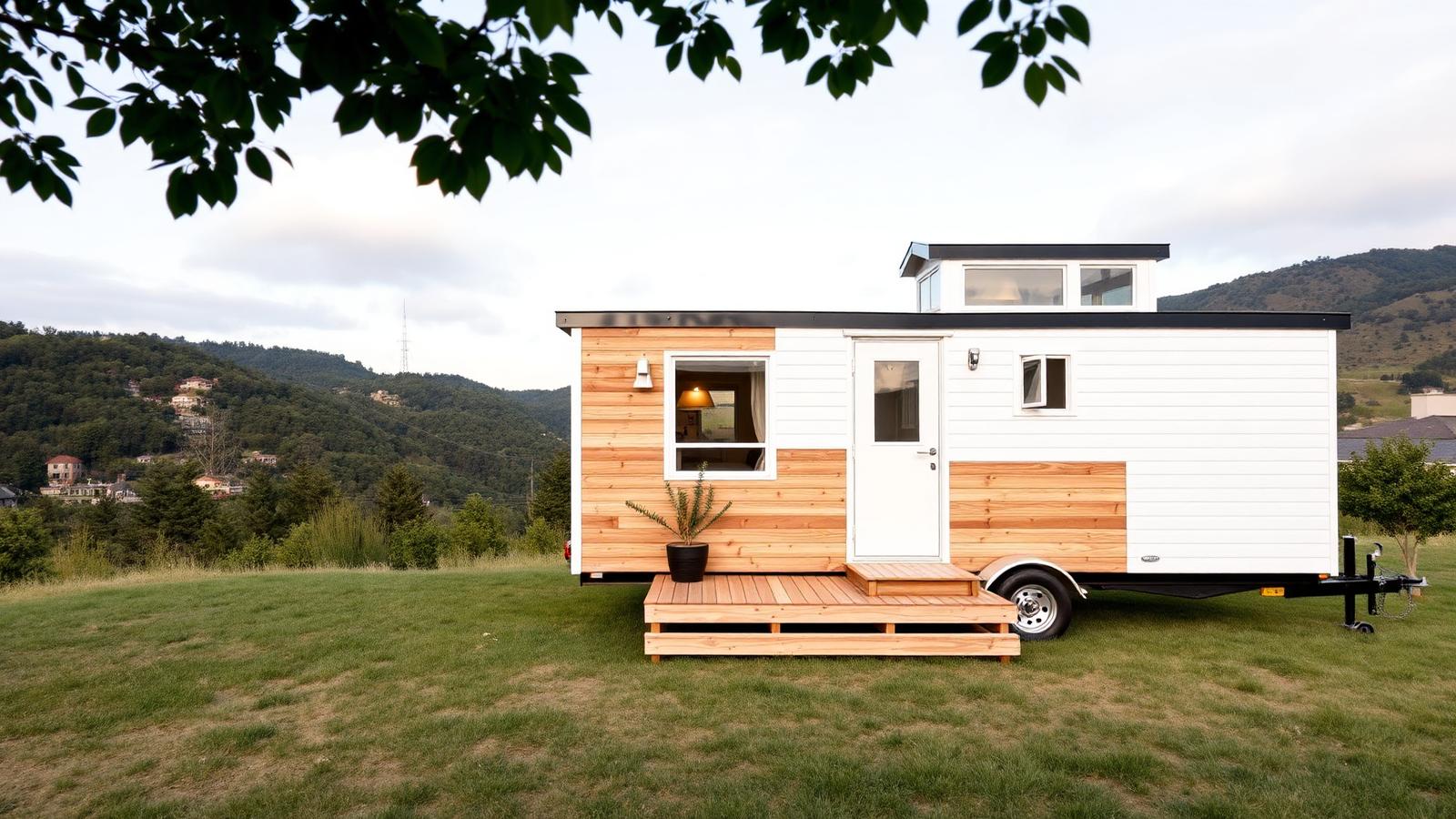
Before you hammer a single nail, you must understand the physical boundaries of the road. In most jurisdictions, including the UK, Europe, Australia, and North America, there is a maximum width and height that vehicles can be without requiring special permits. For example, in many regions, the maximum legal width for a trailer is 2.5 meters [8 feet 2 inches], or up to 2.6 meters [8 feet 6 inches] in North America. Exceeding these limits by even a few centimeters can turn your dream home into an illegal load, meaning you cannot move it without costly wide-load escorts and permits.
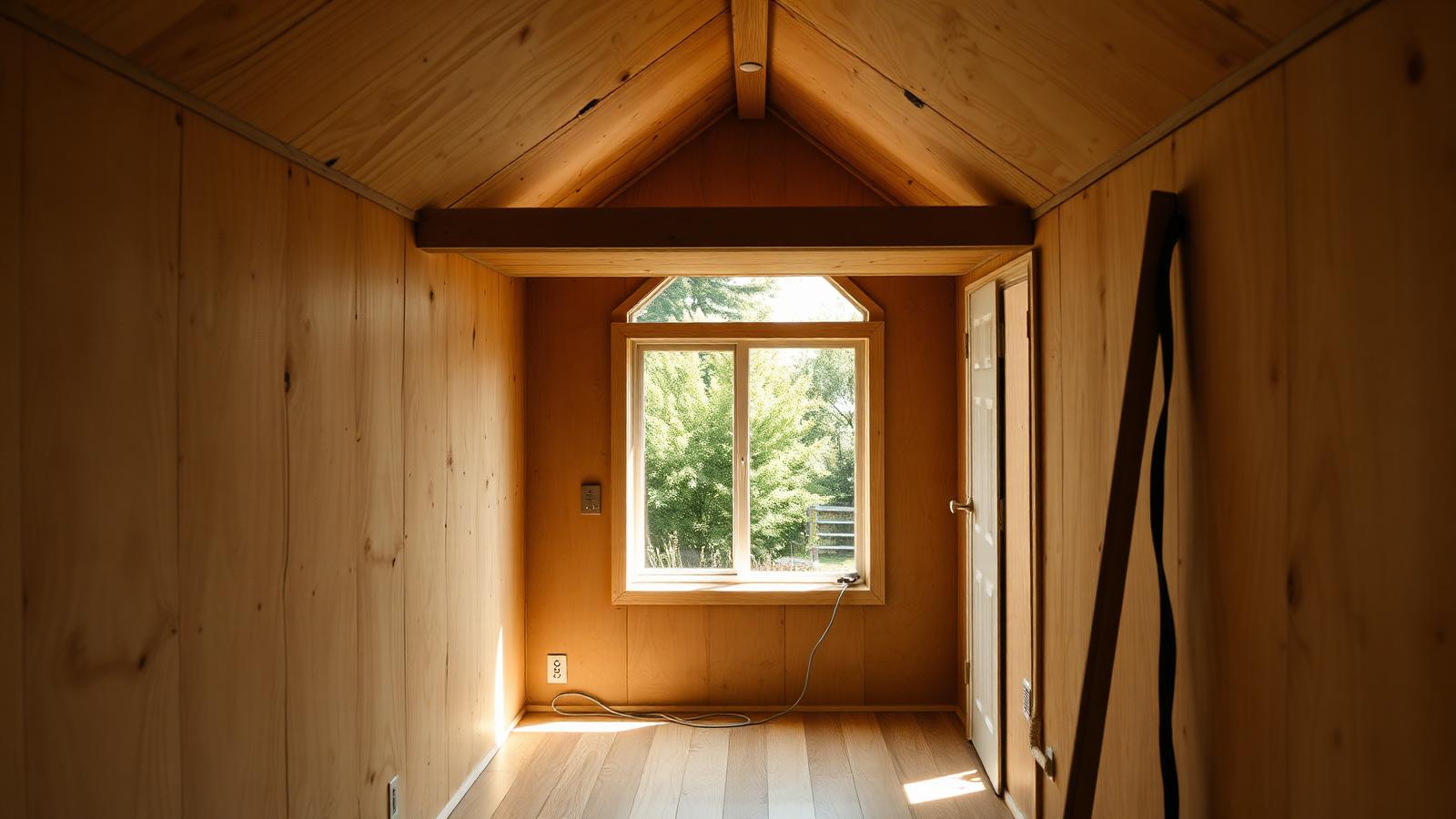
Height is equally critical due to low-hanging trees, utility lines, and highway overpasses. The standard maximum legal height in the UK and Europe is generally 4 meters [13 feet 1 inch], while in North America it is 4.1 meters [13 feet 6 inches]. When designing, remember that this measurement is taken from the road surface to the absolute highest point of your roof, which includes shingles, ridge caps, or skylights. Failing to account for the height of your trailer bed when calculating your interior ceiling height is a classic design mistake that can have disastrous consequences on your first tow.
The Weight Crux: Managing Your Tiny Home's Mass
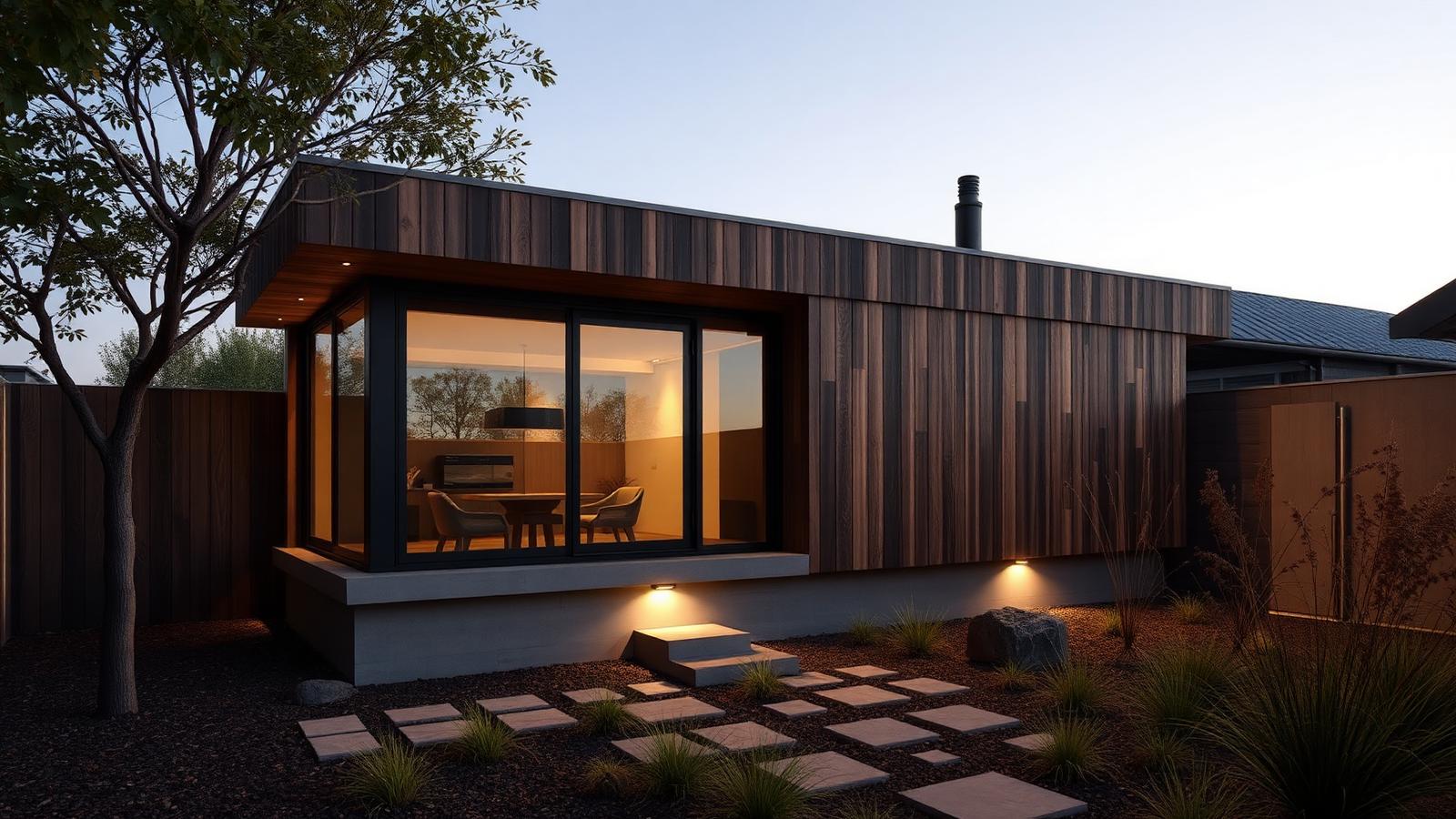
Weight is the ultimate constraint for any DIY tiny home builder. In many regions, a standard driver's license only permits you to tow a trailer up to a certain maximum authorized mass, often 3,500 kilograms [7,700 pounds]. This weight limit includes the trailer chassis itself, the entire timber frame, cladding, insulation, appliances, furniture, and all your personal belongings. Exceeding this weight limit is not only illegal but dangerous, putting immense strain on your tow vehicle's transmission, brakes, and suspension.
To stay under this weight limit, you must make deliberate material choices during the build phase. Opting for lightweight timber framing, such as 50 by 75 millimeter [2 by 3 inch] studs, or using light gauge steel framing can save hundreds of kilograms compared to traditional building practices. Consider lightweight cladding materials like thin cedar siding or corrugated aluminum, and choose interior finishes like thin plywood wall panels instead of heavy drywall. Weighing your build periodically at a commercial weigh station is the best way to track your progress and avoid unexpected surprises.
Designing for the Drive: Balance and Aerodynamics
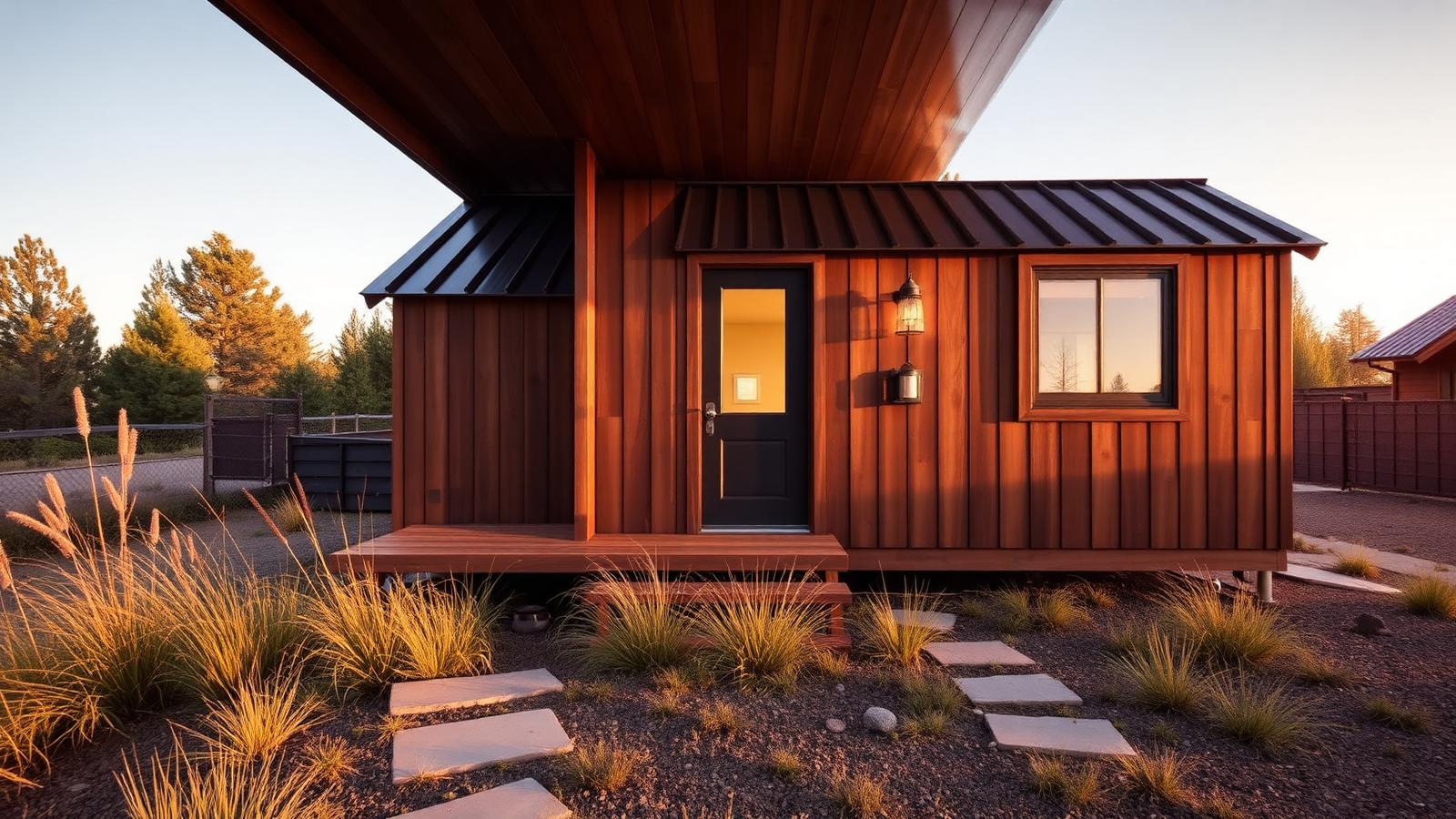
How your tiny home behaves on the highway is determined by how you distribute its weight. A properly balanced trailer should have roughly 10 to 15 percent of its total weight resting on the tongue, which is the hitch connection to your tow vehicle. If the tongue weight is too light, the trailer will sway dangerously at high speeds; if it is too heavy, it will overload your tow vehicle's rear axle. Placing heavy items like water tanks, batteries, and kitchen appliances directly over or slightly ahead of the trailer axles is key to achieving this delicate balance.
Aerodynamics also play a massive role in how easily and safely your home cuts through the air. A flat, vertical front wall acts like a giant sail, creating massive wind resistance that increases fuel consumption and causes towing instability. Incorporating a sloped roofline at the front of your tiny home, or constructing a V-nosed front wall, can dramatically improve airflow. Securely fastening all exterior trim, windows, and siding is critical, as the wind forces experienced at highway speeds can easily rip loose panels off your home if they are not properly anchored.

Gear and Preparation: Ensuring a Safe Journey
You cannot tow a 3.5-tonne [7,700-pound] structure with a standard family car. You will need a heavy-duty tow vehicle, typically a three-quarter-ton or one-ton pickup truck, rated for the specific weight of your loaded tiny home. Additionally, your trailer must be equipped with functioning brakes, which are usually electric or surge brakes. Electric brakes require an electronic brake controller installed in the cab of your tow vehicle, allowing you to manually adjust the braking force applied to the trailer wheels to match the road conditions.
Before taking your tiny home on the road, establish a rigorous pre-flight checklist. Walk around the structure to ensure all windows are locked, roof hatches are latched, and loose interior items are secured. Check your tire pressures, torque the wheel nuts to specification, and test all signal lights, brake lights, and the emergency breakaway switch. Moving a house is an intense experience, but thorough preparation, careful design, and a solid understanding of road laws ensure that your tiny home travels safely to its new destination.