Weekly Edition · 19 October 2026
Securing Your Rolling Sanctuary: Tiny Home Protection Guide
Protect your tiny home on wheels or remote site with practical physical locks, smart monitoring, and smart off-grid security systems.
This Week
Tiny home security, locks and remote site protection
Protect your tiny home on wheels or remote site with practical physical locks, smart monitoring, and smart off-grid security systems.

Hardening the Foundation: Trailer and Hitch Security
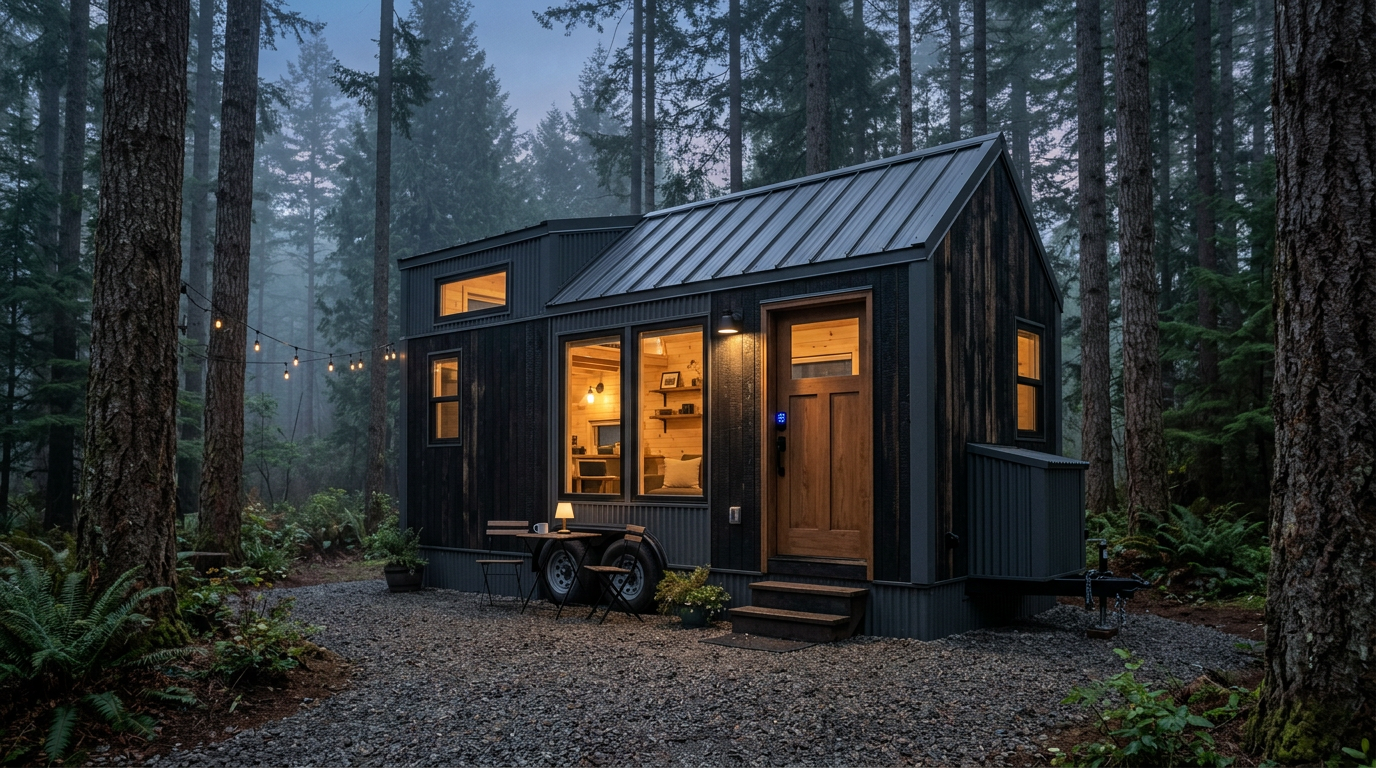
Unlike traditional houses, a tiny home on wheels is uniquely vulnerable to being towed away if left unprotected. The first line of defense must start at the trailer tongue. Investing in a high-quality, heavy-duty coupler lock is non-negotiable. Look for locks made from hardened steel or ductile cast iron that completely cover the hitch receiver, preventing anyone from dropping your trailer onto a tow ball. Combine this with a robust dual-axle wheel boot or a heavy-grade security chain looped through the wheels and around the trailer frame. These physical barriers are highly visible, immediately signaling to opportunistic thieves that your home is not an easy target.
For added security during long-term parking, consider removing the trailer's leveling jacks or jacking the frame up slightly and placing it on heavy-duty concrete blocks. Removing the wheels entirely and storing them securely elsewhere is the ultimate deterrent for remote sites. This physical immobilization makes a quick getaway impossible. When choosing chains, opt for 12 mm [0.5-inch] thick manganese alloy steel chains, which are incredibly difficult to cut with manual bolt cutters. Secure them with a high-security disc padlock featuring a shrouded shackle to prevent angle grinder access.
Reinforcing the Envelope: Smart Locks and Toughened Glazing
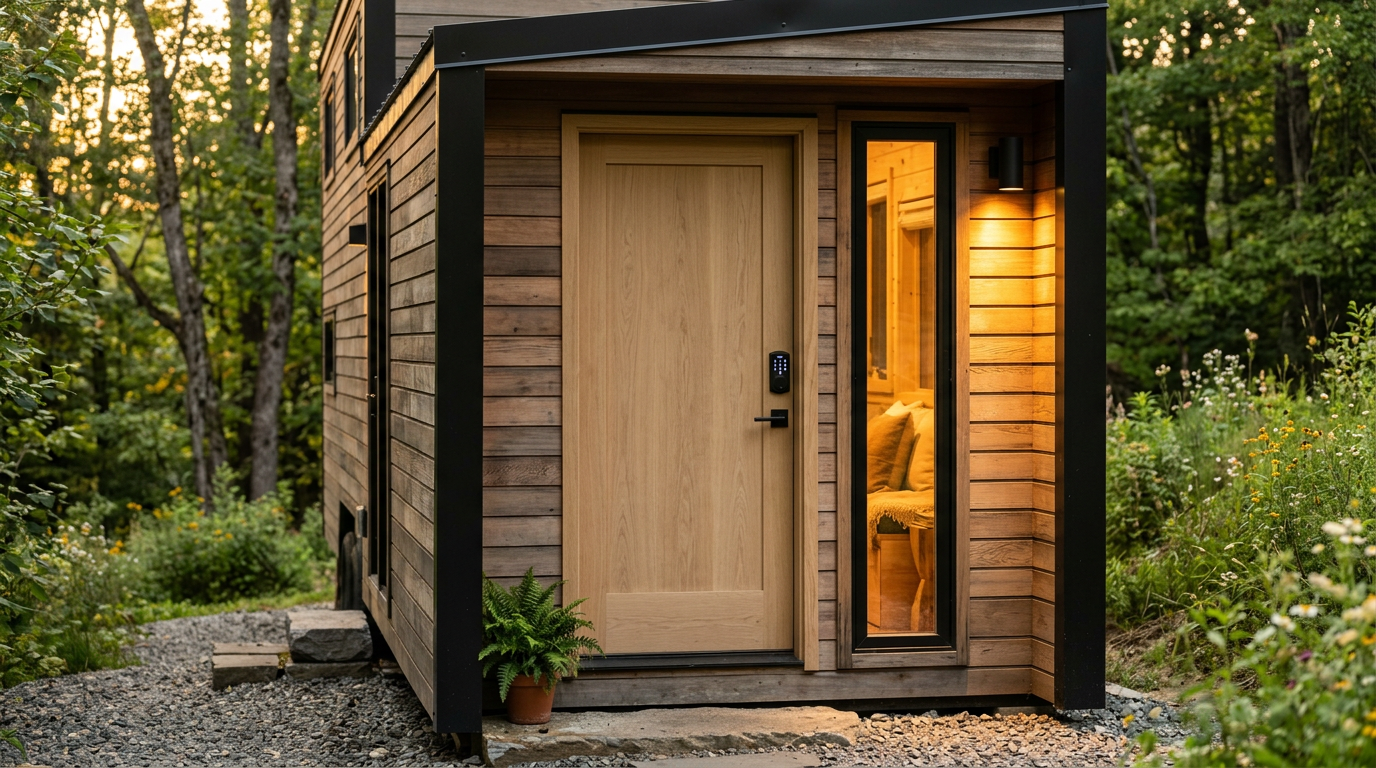
The lightweight nature of tiny home construction sometimes leads builders to compromise on door and window quality, but this is a critical mistake. Treat your entry door exactly like a standard residential build. Install a solid-core wood or insulated metal door with a heavy-duty Grade 1 deadbolt that extends at least 25 mm [1 inch] into the door frame. Reinforce the wooden door jamb with a heavy-gauge steel strike plate secured by 75 mm [3-inch] screws that anchor deep into the structural framing studs, rather than just the thin decorative trim.
Windows are another common entry point. Standard sliding windows can easily be pried open from the outside. To counter this, install secondary window locks or simple wooden dowels in the tracks to prevent sliding. Consider using laminated security glass or applying a shatter-resistant security film to the interior of your existing double-pane windows. This transparent film holds the glass shards together even when struck repeatedly with a heavy object, delaying entry and making a loud, attention-grabbing racket that will deter intruders.
Off-Grid Vigilance: Smart Cameras and Low-Power Sensors
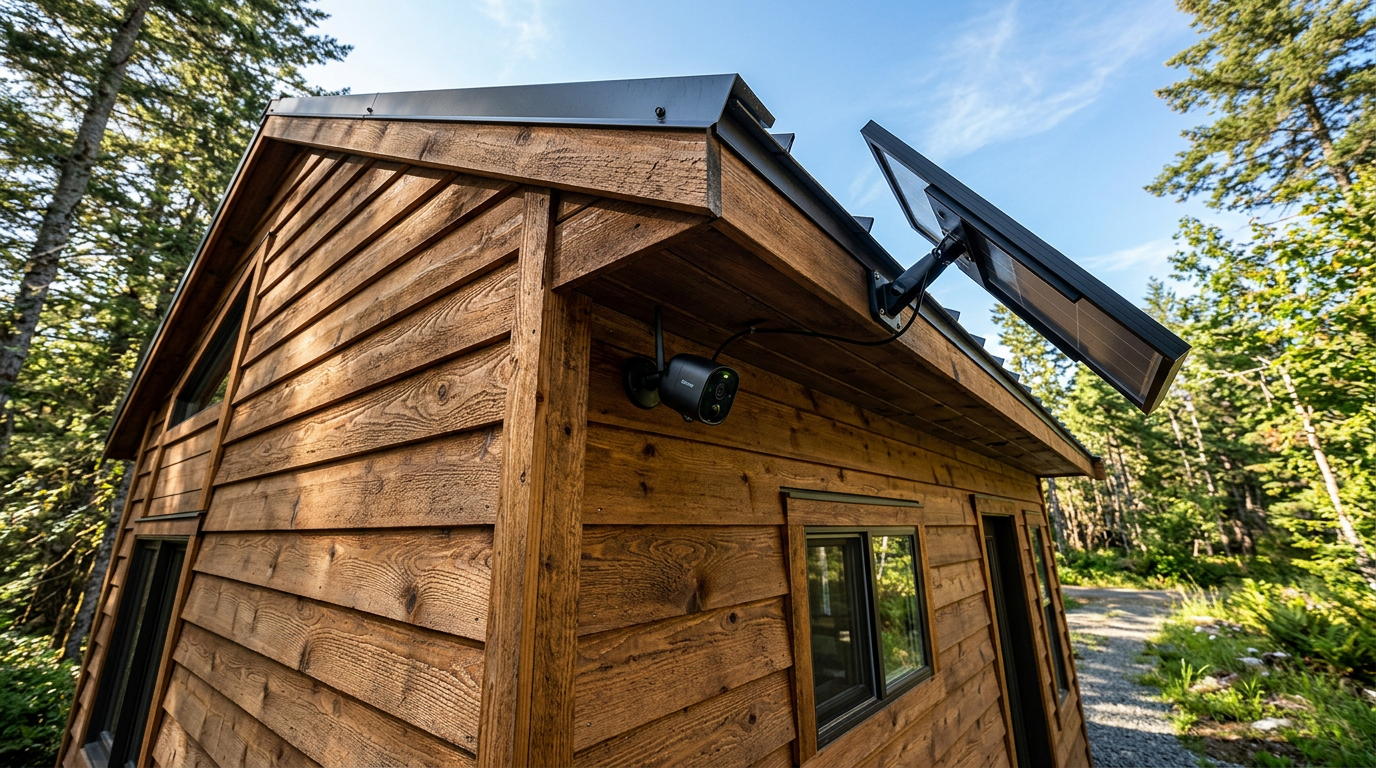
If your tiny home is parked on a remote rural plot, traditional Wi-Fi and grid-powered security systems won't cut it. Fortunately, low-power cellular security cameras have revolutionized off-grid monitoring. These systems run on rechargeable batteries supplemented by a small, roof-mounted solar panel and use local cellular networks to send real-time alerts and video clips directly to your phone. Look for cameras with built-in infrared night vision and passive infrared motion sensors, which reduce false alarms caused by blowing leaves or passing wildlife by only triggering when they detect human heat signatures.
Pair your outdoor cameras with a localized smart home hub that operates on low-voltage direct current power. Magnetic contact sensors on every door and window can trigger a loud, 110-decibel local siren if a breach occurs. Even in the wilderness, a piercing siren is often enough to scare off trespassers. Ensure your system features offline storage, such as an internal micro-SD card, so that video footage is safely recorded locally even if cellular reception temporarily drops during a storm.
Defending by Design: Natural Landscaping and Site Placement
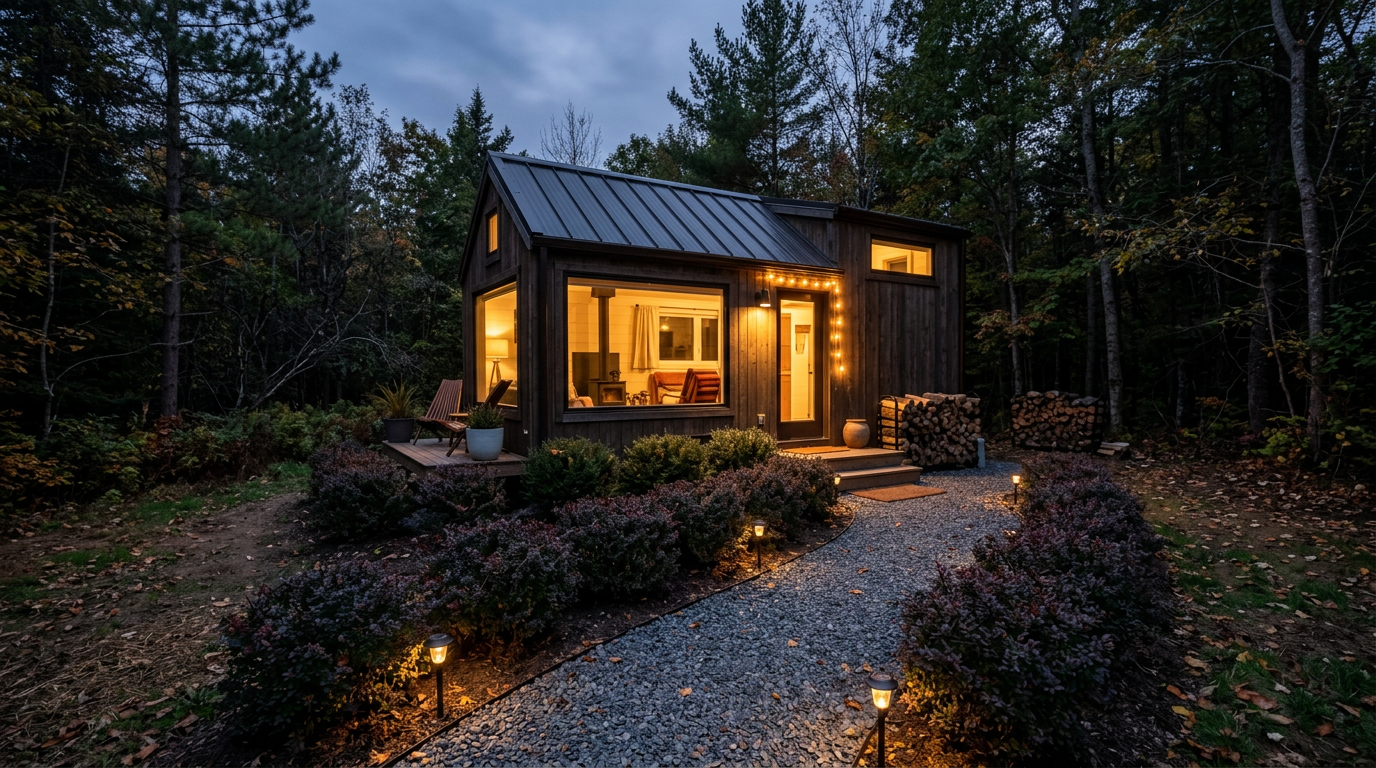
Security is as much about environmental design as it is about locks and electronics. When positioning your tiny home on a remote site, aim for a balance of privacy and visibility. Avoid parking your home in a deep hollow that is completely obscured from the access road, as this gives potential thieves infinite time to work without detection. Instead, use natural topography and selective clearing to keep your home visible to friendly neighbors or passing patrols, while still maintaining your personal privacy with strategic fencing or ornamental plantings.
Utilize defensive landscaping by planting thorny shrubs, like holly or wild rose, directly beneath your low-lying windows. This creates a painful natural barrier that discourages anyone from peeping or trying to pry open a window. Additionally, install motion-activated exterior floodlights around the perimeter of your home. Flooding a dark, quiet site with bright LED light the moment someone approaches is one of the most effective ways to disrupt a crime in progress, making your tiny home an unappealing target for anyone lurking in the dark.