Weekly Edition · 5 January 2026
Sourcing Reclaimed Materials for Your Tiny House Build
Learn how to find, inspect, and safely build with salvaged timber, vintage windows, and unique hardware for an affordable, character-filled tiny home.
This Week
Sourcing reclaimed and recycled materials for a tiny build
Learn how to find, inspect, and safely build with salvaged timber, vintage windows, and unique hardware for an affordable, character-filled tiny home.
Mapping Your Local Salvage Network
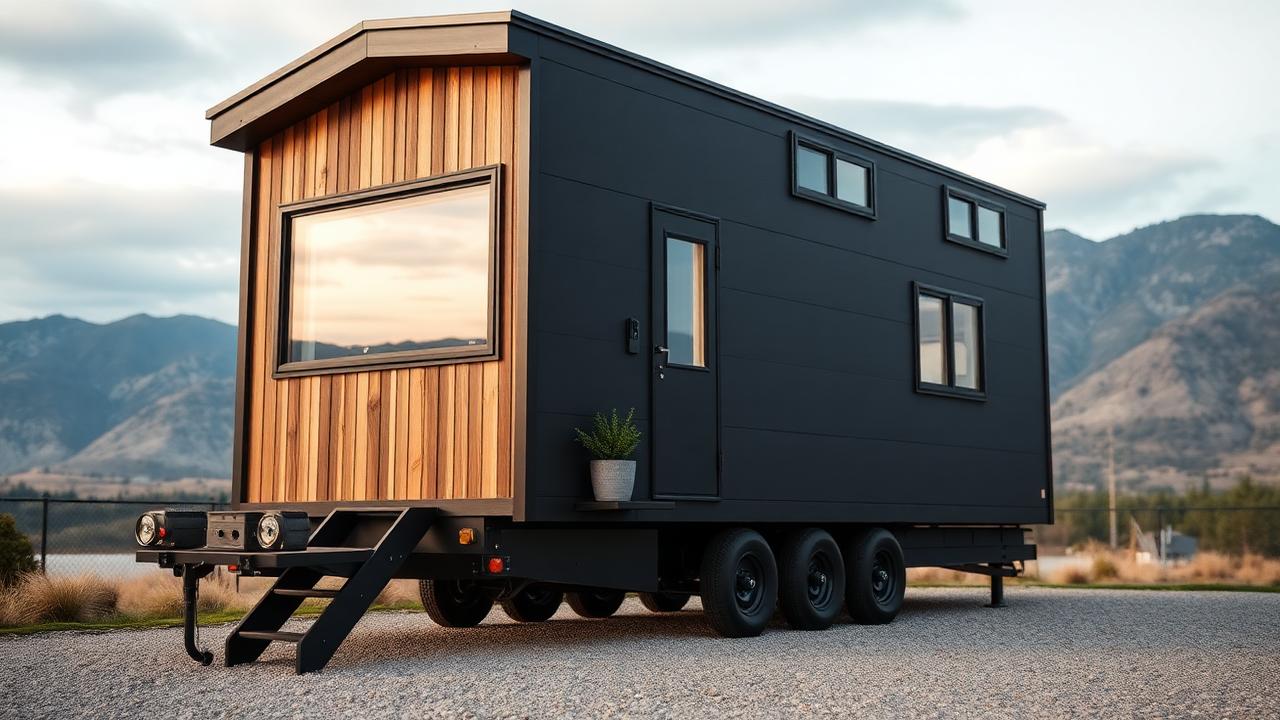
Building a tiny home with reclaimed materials is as much about the hunt as it is about the carpentry. Before you drive your first nail, spend time mapping out the salvage ecosystems in your local area. Architectural salvage yards, demolition sites, online classifieds, and agricultural auctions are goldmines for unique building supplies. It is helpful to introduce yourself to local demolition contractors and estate clean-up crews; they often pay high tipping fees at landfills and are frequently glad to let you haul away usable timber, vintage doors, or metal roofing for free or a nominal fee.
To succeed, you must reverse your typical design process. Instead of drafting a rigid blueprint and shopping for exact dimensions, you must collect your high-impact materials first—such as vintage windows, French doors, or large structural posts—and then draft your framing plan around these specific acquisitions. Keep a detailed notebook or spreadsheet on your phone listing your absolute maximum dimensions, trailer weight limits, and rough framing requirements so you can instantly verify if a salvaged treasure will fit your build on the fly.
Sorting, Denailing, and Prepping Reclaimed Wood
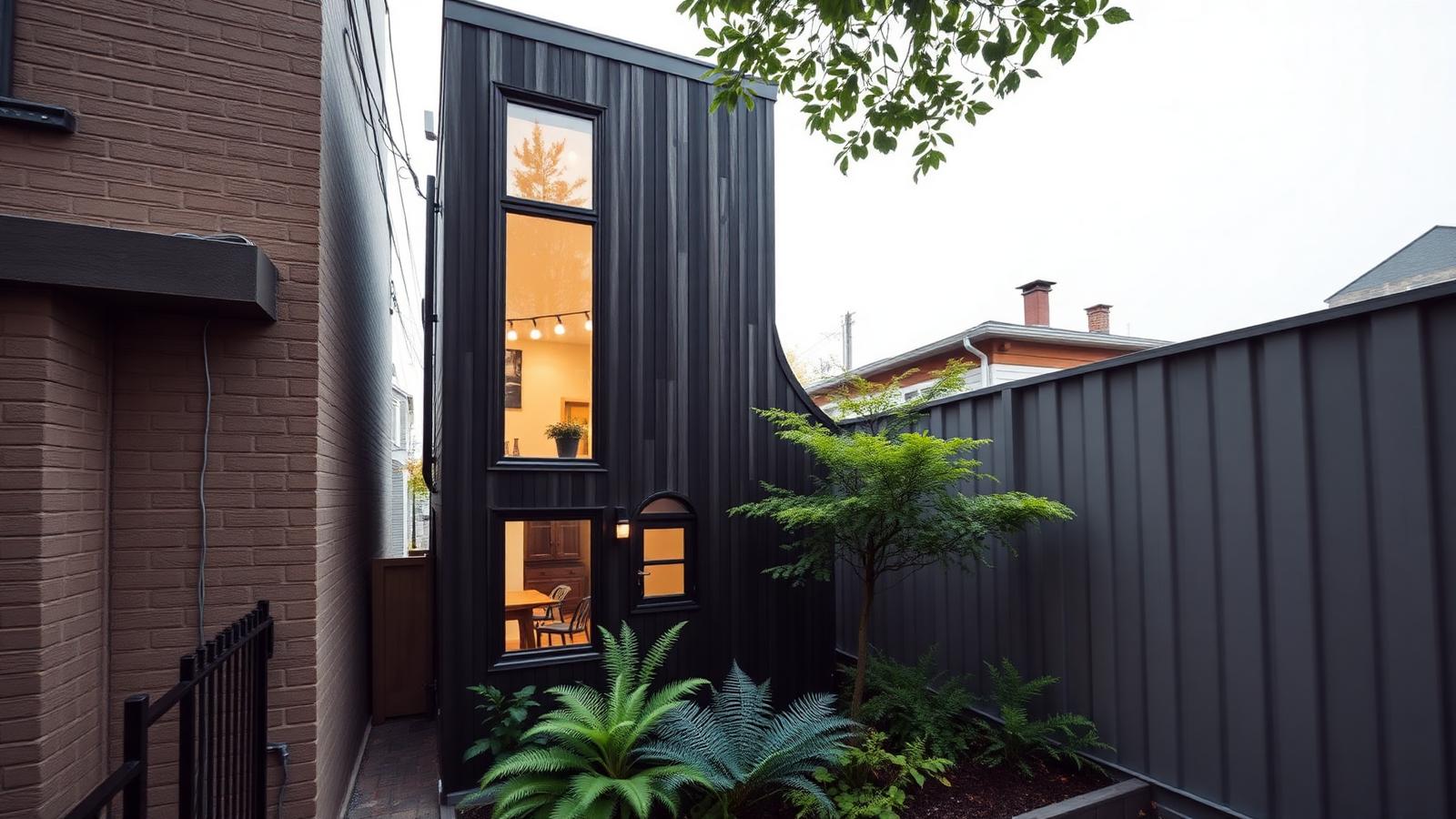
When sourcing discarded timber, look for old-growth wood from demolished barns, old factories, or home renovations. This wood is often denser, more stable, and more rot-resistant than modern SPF dimensional lumber sold at big-box retailers. Inspect every piece of wood for rot, insect damage, and excessive warping. Pay close attention to the end grain; tight, narrow rings indicate slow-grown wood that will hold up beautifully over time. Avoid any wood that feels unusually light, has soft, spongy spots, or shows active powderpost beetle holes, as you do not want to introduce pests into your new structure.
Once you bring your salvaged wood home, the real work of preparation begins. Every single piece must be meticulously denailed. Invest in a heavy-duty nail pulling tool, a pair of end-cutting pliers, and a strong handheld metal detector to find hidden fasteners buried deep within the grain. Running a piece of reclaimed timber containing a forgotten steel nail through a thickness planer or table saw can instantly ruin a costly carbide blade or, worse, cause dangerous kickback. After denailing, sand the surface lightly to remove dirt and loose splinters while preserving the rich, naturally weathered patina.
Integrating Pre-Loved Windows and Doors Safely
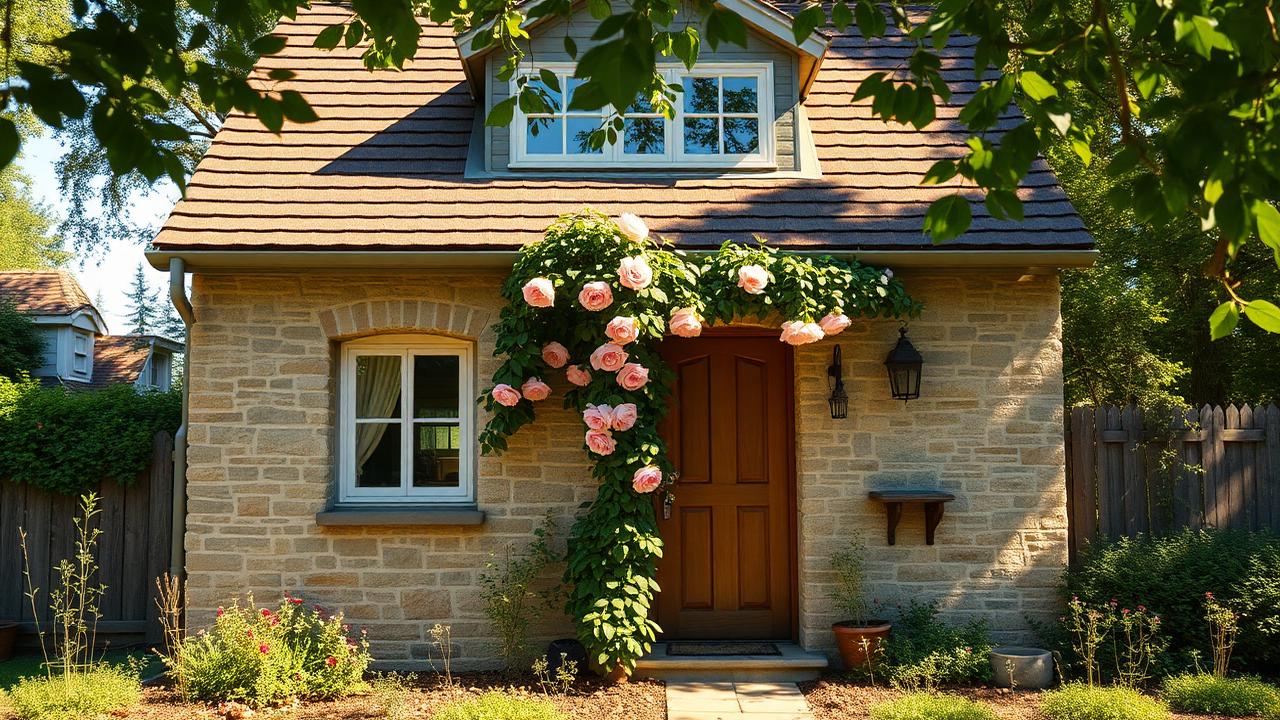
Windows and doors give a tiny home its character, but they are also critical to the envelope's thermal performance. Look for insulated, double-pane glass units rather than single-pane vintage windows, which offer very little R-value and will lead to condensation issues. When inspecting secondhand PVC or timber windows, check that the seals between the panes are intact; if you see fogging or water droplets inside the glass, the seal has failed, and the window's insulating properties are compromised. Ensure the operating hardware still functions smoothly, or can be easily lubricated and repaired with off-the-shelf parts.
For exterior doors, prioritize solid wood or insulated fiberglass options over hollow-core interior doors. A solid wood door can be trimmed down by up to 20 mm [0.78 inches] on each side to fit a non-standard custom rough opening, which is common in custom tiny home designs. Remember to check for lead paint on older wooden items, especially those manufactured before 1978. Use a simple chemical test kit to check any painted surfaces; if positive, you must strip the paint safely using wet scraping methods or chemical peelers rather than dry sanding, which releases toxic lead dust into your workspace.
Balancing Recycled Materials with Weight and Safety
While building with salvaged materials is highly sustainable and cost-effective, it requires careful engineering, especially for mobile tiny homes. Reclaimed hardwood cladding, heavy timber beams, and old cast-iron fixtures weigh significantly more than modern, lightweight alternatives. You must balance your desire for rustic aesthetics with the strict weight capacity of your trailer axle. For example, instead of using full-thickness barn wood for your interior walls, resaw the boards down to thin veneers of about 8 mm [0.31 inches] to 10 mm [0.39 inches] thick to achieve the same look at a fraction of the weight.
Additionally, prioritize new, certified fasteners and structural hardware over salvaged ones. Never reuse old screws, structural bolts, or framing hangers, as metal fatigue is invisible to the naked eye and can compromise the integrity of your home during transport. Keep track of your weight distribution by weighing your trailer at a local truck scale periodically throughout the build process. By pairing robust, modern structural framing and high-tensile fasteners with beautiful, character-rich reclaimed finishes, you can create a safe, road-worthy tiny home that carries a unique history in every board.