Weekly Edition · 29 December 2025
Tiny Home Costs: A Realistic DIY Budget Breakdown
Learn the real costs of building your own tiny home, with a practical budget breakdown from trailer to finishing touches.
This Week
Tiny home costs: a realistic DIY build budget breakdown
Learn the real costs of building your own tiny home, with a practical budget breakdown from trailer to finishing touches.
Laying the Foundation: Trailer and Framing Costs
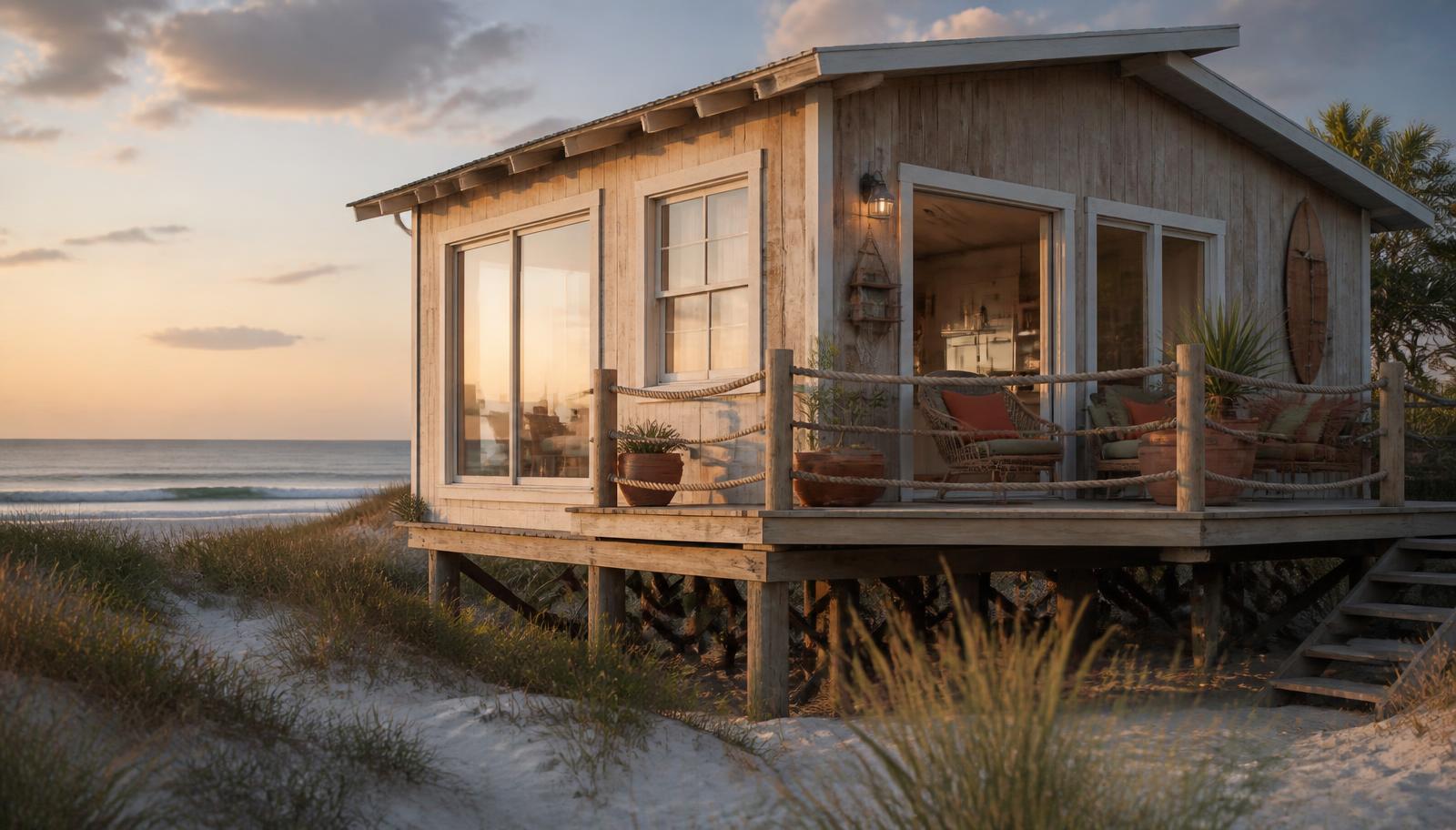
The foundation of any mobile tiny home is a purpose-built trailer, which is also your single largest upfront expense. A certified, dual-axle trailer measuring 7.3 m [24 ft] typically costs between $6,000 and $9,000 USD [£4,500 to £6,800 GBP]. Attempting to save money by modifying a used utility trailer often leads to structural failure or licensing headaches. Budgeting for a brand-new, engineered trailer with integrated flashing and subfloor shear plate attachments ensures safety and longevity.
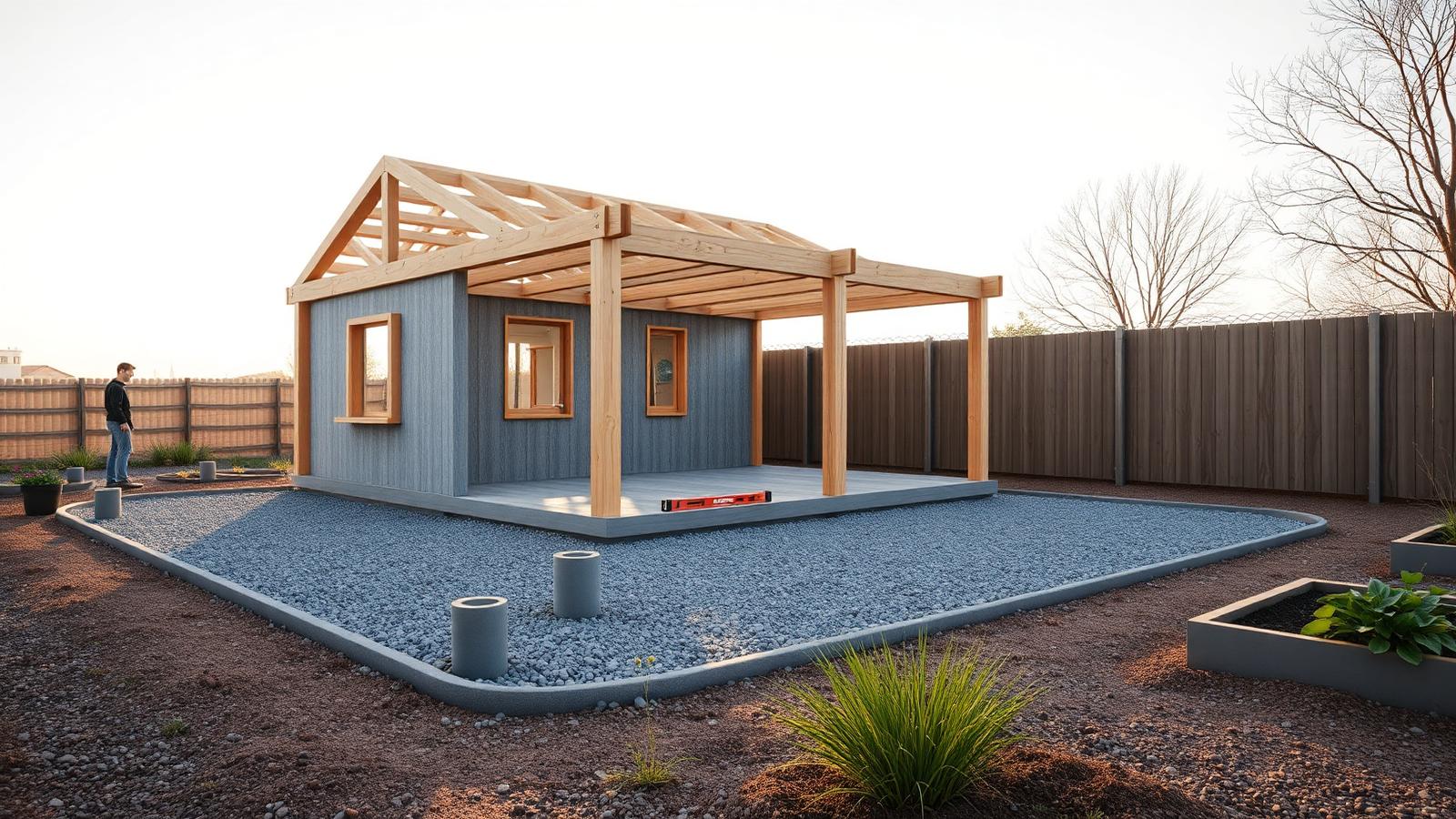
Once the trailer is secured, framing is your next major task. For a DIY builder, light-gauge steel or traditional softwood studs are the main choices. Softwood framing using 50 mm by 100 mm [2 in by 4 in] structural timber for the walls, and 50 mm by 150 mm [2 in by 6 in] for the roof, will run about $1,500 to $2,500 USD [£1,100 to £1,900 GBP]. This budget should also account for construction adhesive, structural screws, and metal hurricane ties to secure the frame to the trailer.
Keeping the Elements Out: Sheathing, Wrap, and Insulation
To protect your structural frame, you need high-quality exterior sheathing and a weather-resistant barrier. Expect to spend around $1,200 to $1,800 USD [£900 to £1,350 GBP] on 12 mm [0.5 in] plywood or OSB sheets, along with a high-performance house wrap and flashing tape. Windows and doors are another significant cost variable; sourcing standard-sized, double-pane residential windows instead of custom sizes will help keep this expense around $1,500 to $3,000 USD [£1,100 to £2,250 GBP] while maintaining thermal efficiency.
Insulation is not the place to cut corners, as heating and cooling a small, poorly insulated space can be incredibly expensive over time. Closed-cell spray foam provides the best R-value per inch and structural rigidity, but a DIY-friendly alternative is rigid foam board or mineral wool batts. Sourcing mineral wool for a 7.3 m [24 ft] build costs roughly $800 to $1,200 USD [£600 to £900 GBP]. This material is highly fire-resistant, easy to install with basic safety gear, and excellent at dampening road noise.
Power and Plumb: Sourcing Utilities Wisely
Rough-in plumbing and electrical systems require careful planning and, in many jurisdictions, professional sign-off. Sourcing PEX piping, brass fittings, a manifold, and a tankless water heater will cost approximately $1,000 to $1,800 USD [£750 to £1,350 GBP]. PEX is ideal for DIY builders because it resists freeze damage and is easy to snake through studs without complex soldering. For the electrical setup, expect to allocate $1,200 to $2,000 USD [£900 to £1,500 GBP] for a consumer unit, Romex wiring, outlets, and fixtures.
If you plan to live off-grid, your budget will need to expand significantly for waste management and power generation. A reliable composting toilet costs between $900 and $1,500 USD [£680 to £1,100 GBP], saving you the expense of installing blackwater tanks. A basic solar setup with four 300-watt panels, a charge controller, and a lithium iron phosphate battery bank starts at around $3,500 USD [£2,600 GBP], though grid-tied tiny homes can skip this expense entirely.
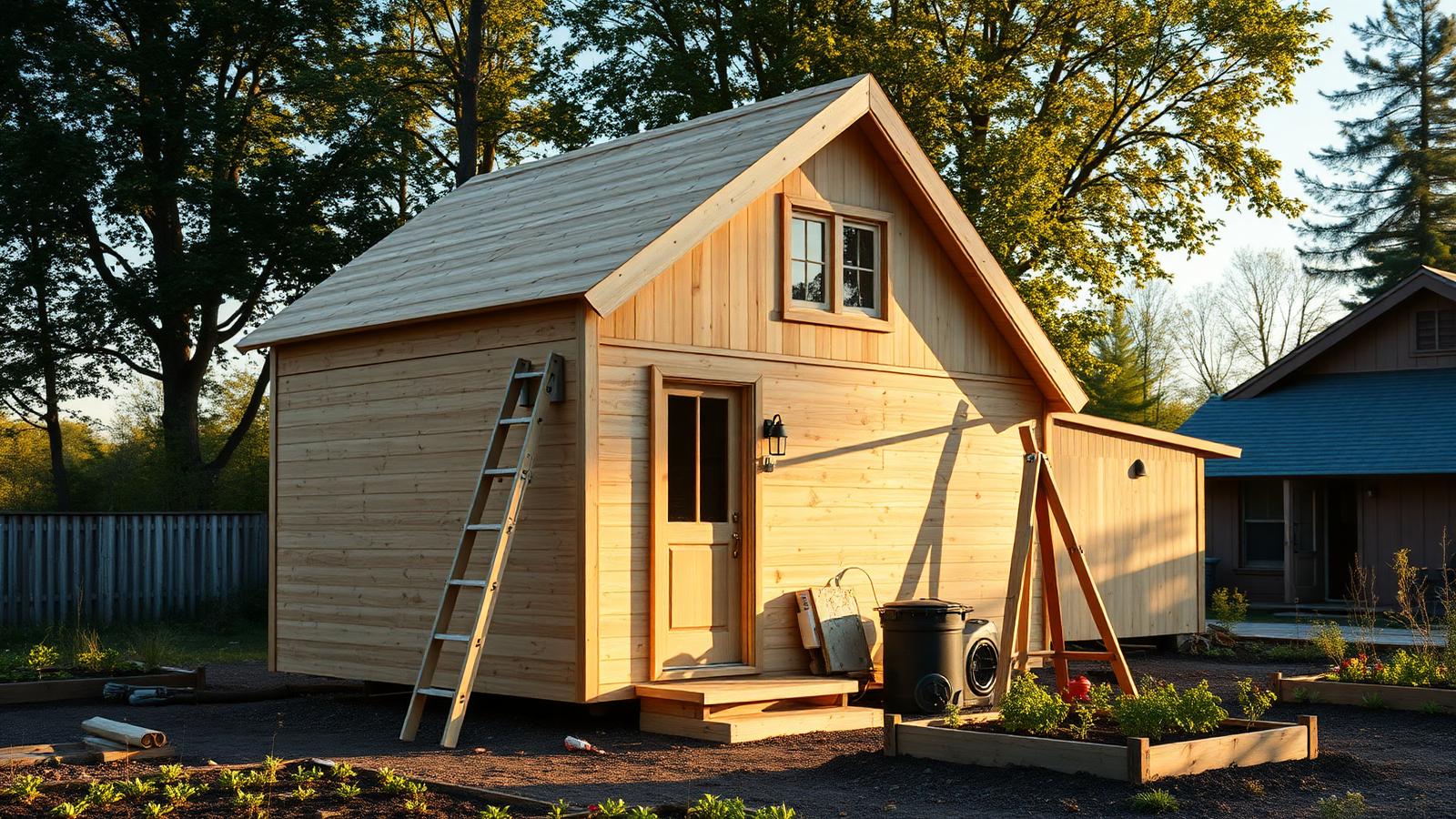
The Finishing Touches: Interior Wall Panels and Fixtures
The interior finishes define the aesthetic and daily comfort of your tiny home. Tongue-and-groove pine cladding remains a favorite for DIYers because it is lightweight, structurally stable, and easy to install. Budget about $1,000 to $2,000 USD [£750 to £1,500 GBP] for wall and ceiling cladding. For flooring, durable luxury vinyl plank (LVP) is highly recommended for its water resistance and flexibility during transit, costing around $400 to $800 USD [£300 to £600 GBP] for a standard tiny home footprint.
Finally, kitchens and bathrooms require creative space planning and compact appliances. Sourcing a small-scale sink, a two-burner induction cooktop, and a compact refrigerator will total about $1,200 to $2,500 USD [£900 to £1,900 GBP]. Building your own cabinets from birch plywood rather than buying pre-assembled units can keep your joinery costs under $800 USD [£600 GBP]. By managing the labor yourself and shopping mindfully, a robust, road-worthy DIY tiny home can be completed for a total material cost of $25,000 to $45,000 USD [£18,800 to £33,800 GBP].