
Weekly Edition · 3 November 2025
Wiring Your Tiny Home: 12V DC vs 240V AC Explained
Learn how to design a safe, efficient hybrid electrical system for your tiny home, balancing low-voltage DC with standard 240V AC power.
This Week
Wiring and 12V versus 240V systems in a tiny home
Learn how to design a safe, efficient hybrid electrical system for your tiny home, balancing low-voltage DC with standard 240V AC power.

The Hybrid Approach: Balancing DC and AC Power
When planning your tiny home's electrical system, you do not have to choose strictly between low-voltage direct current (12V or 24V DC) and standard alternating current (240V AC). In fact, the most successful DIY builds utilize a hybrid system that leverages the strengths of both systems. Direct current is incredibly efficient for running essential services directly from a battery bank without the energy losses associated with an inverter. Lighting, water pumps, ceiling fans, and USB charging outlets are highly efficient when run on a native 12V or 24V system, making them ideal for off-grid resilience.
Conversely, high-load appliances like induction cooktops, washing machines, split-system air conditioners, and electric water heaters demand far more power than a standard low-voltage system can practically deliver. Attempting to run a 1,800-watt appliance on a 12V system requires massive, expensive cabling to handle the high current safely. By installing a dedicated 240V AC ring main alongside your DC system, you can easily plug into shore power at a campsite or use a high-quality inverter to run these demanding household comforts from your battery storage when off-grid.
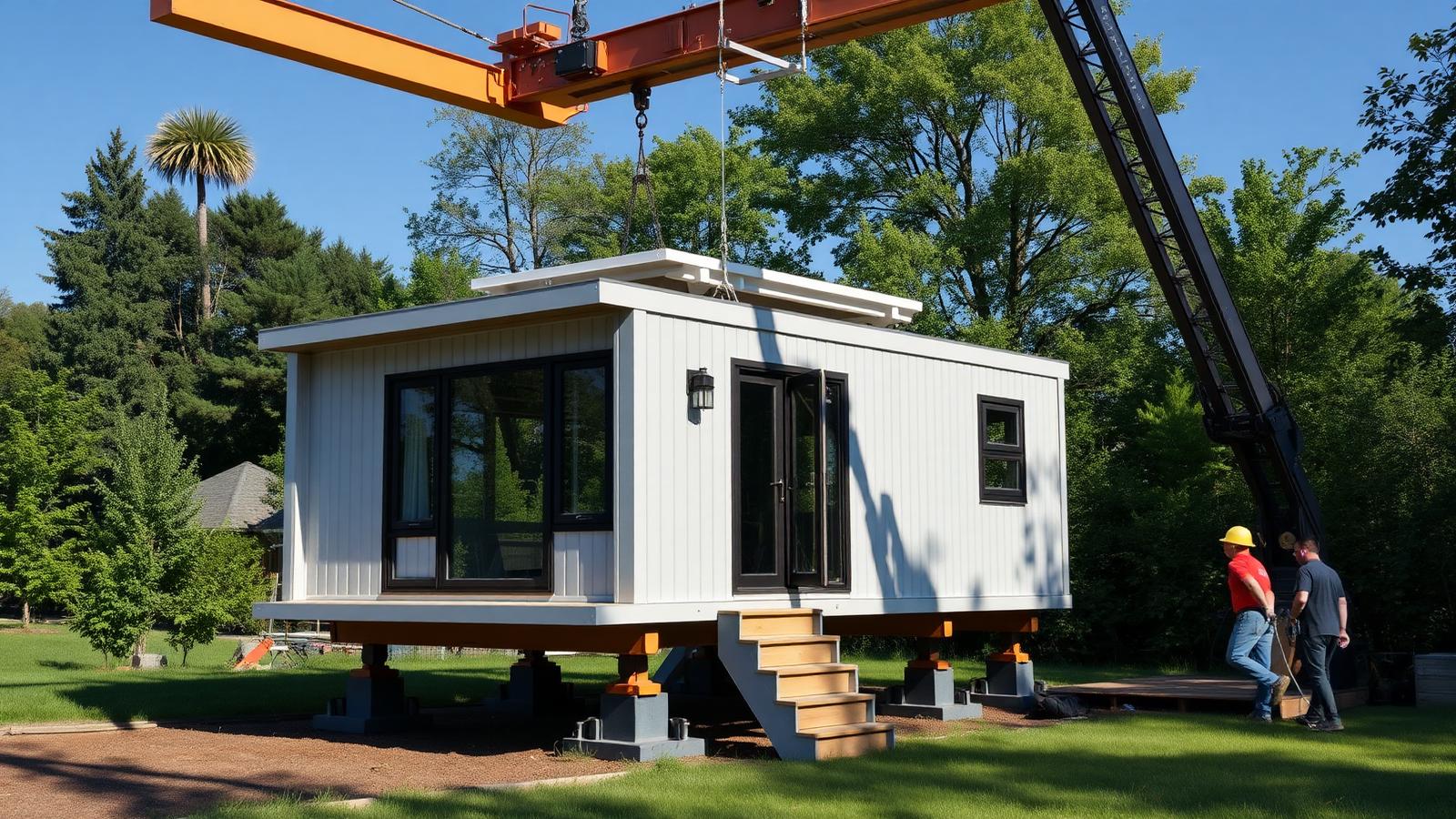
Managing Low Voltage: Tackling Voltage Drop and Wire Gauge
The biggest engineering challenge with 12V DC systems is voltage drop. Because low-voltage systems operate at higher amperage to deliver the same wattage, electricity loses pressure as it travels through copper wires over distance. If you use wire that is too thin, your LED lights will flicker, your water pump will run sluggishly, and your wires can dangerously overheat. To combat this, you must size your DC cables generously. While a standard home uses thin wire for lighting, a 12V tiny home circuit often requires 4 mm² [12 AWG] or even 6 mm² [10 AWG] copper wiring for runs longer than 5 meters [16 feet].
Always use high-quality, multi-strand marine-grade copper wire for your DC circuits. Unlike solid-core residential wire, multi-strand wire is flexible and highly resistant to the constant vibrations and jolts your tiny home will experience while traveling on the road. Group your DC circuits logically, running them back to a central fuse block utilizing standard automotive blade fuses. This centralized approach simplifies troubleshooting and ensures that a minor short circuit on a single light fixture will not shut down your entire off-grid power system.

Mains Power: Safe 240V AC Distribution
For your 240V AC system, safety and compliance with local electrical standards are paramount. Your tiny home should be treated as a transportable structure, which means using flexible, stranded cabling run through protective conduit. Standard residential solid-core twin and earth cable can work-harden and snap over time due to road vibrations, potentially causing hidden, dangerous electrical arcs behind your wall cavities. Instead, opt for flexible, double-insulated three-core flex or run your wires inside heavy-duty corrugated plastic conduit to shield them from physical damage during transit.
Your AC power enters the tiny home via an external caravan-style inlet, leading directly to a consumer unit equipped with a residual current device (RCD) and miniature circuit breakers (MCBs). A 16-amp or 32-amp inlet is standard, depending on your power needs. Use 2.5 mm² [14 AWG] cable for your general power outlets to handle standard household appliances safely. It is highly recommended to have a certified electrician inspect and test your finished 240V installation, as they can perform earth loop impedance tests to guarantee that your breakers will trip instantly in the event of a fault.
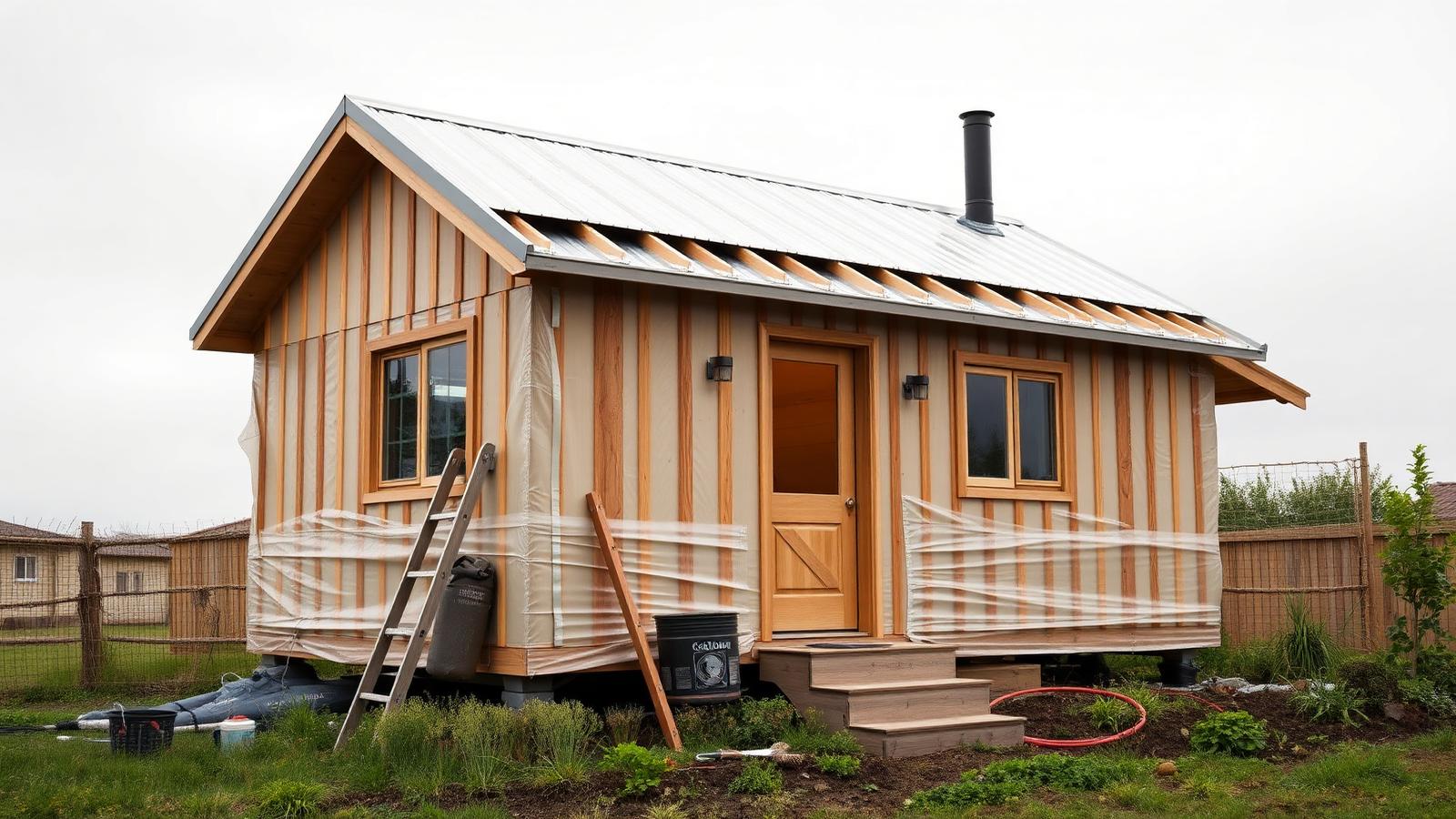
Isolation and Integration: Building a Safe Physical Layout
Coexistence is key when installing both DC and AC systems within the cramped wall cavities of a tiny home. To prevent dangerous induction currents and physical cross-contamination, you must maintain strict physical separation between your low-voltage and high-voltage wiring. Never run 12V DC wires and 240V AC wires inside the same conduit or junction box. A minimum clearance of 50 mm [2 inches] should be maintained between the two systems where they run parallel, and they should only cross paths at right angles to minimize electromagnetic interference.
Additionally, you must address the unique grounding requirements of a mobile structure. Unlike a traditional house rooted in the earth, a tiny home sits on a steel trailer chassis insulated from the ground by rubber tires. To prevent the metal frame from becoming energized in the event of an electrical short, you must securely bond both the AC earth busbar and the DC negative busbar to the trailer chassis using heavy-gauge copper earthing straps. This path of least resistance ensures that any fault safely trips the breakers rather than shocking anyone stepping onto or off the trailer.